Stress and anxiety have become part of everyday life for many people. From work pressures to personal challenges, the mental load can feel overwhelming.
Fortunately, alternative therapies like acupuncture are gaining attention as a way to manage these symptoms. Many individuals seek guidance from a chiropractor in SW Calgary, who often integrates acupuncture into holistic care plans for stress and anxiety.
How Acupuncture Works for Stress and Anxiety
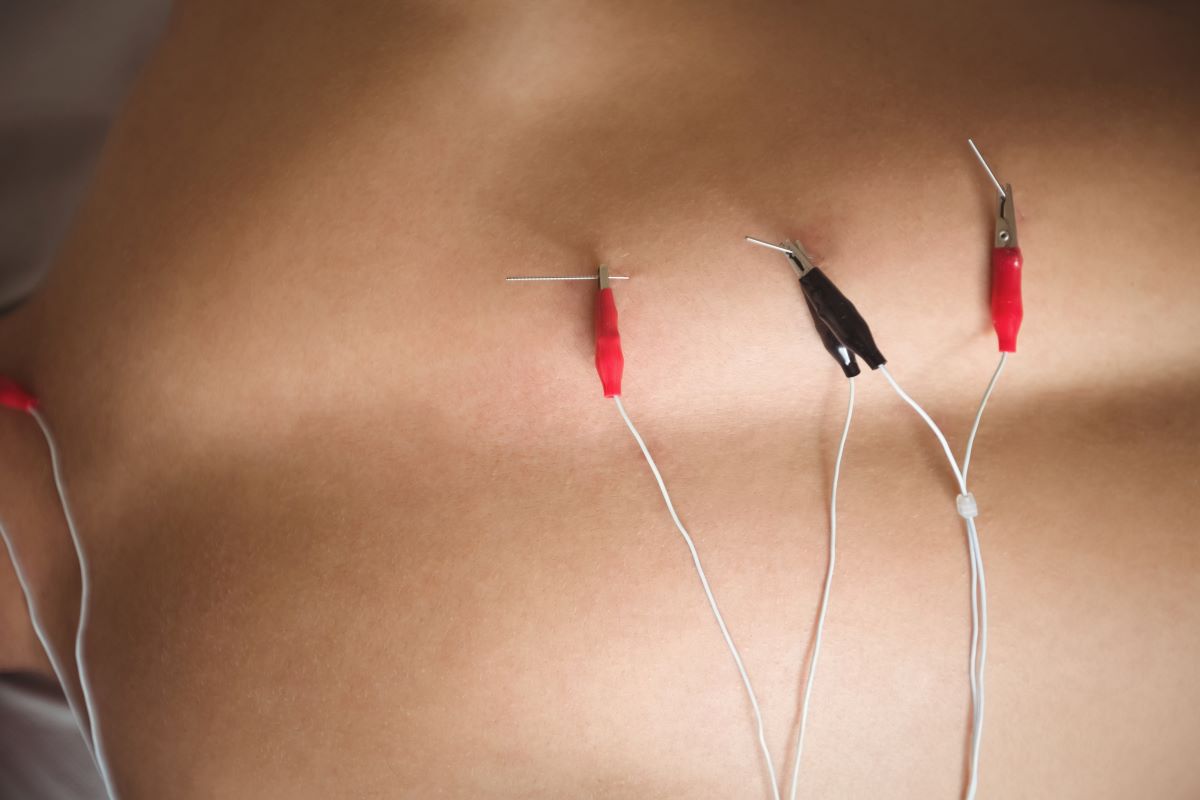
Acupuncture involves inserting fine needles at specific points on the body.
These points are believed to stimulate the nervous system, release natural painkillers, and balance energy flow, often called “Qi.” This practice can help reduce stress hormones and help with relaxation responses to manage your anxiety.
Key Acupuncture Points for Stress Relief
Some acupuncture points can help reduce tension and anxiety; a few of them include:
- Yintang (Third Eye Point) – Calms the mind and reduces nervousness.
- Shen Men (Heart 7) – Promotes relaxation and emotional balance.
- Pericardium 6 (Neiguan) – Helps relieve anxiety and nausea.
- Large Intestine 4 (Hegu) – Reduces tension and headaches caused by stress.
By targeting these acupuncture points for stress relief, practitioners aim to improve sleep, lower heart rate, and reduce muscle tension.
What is the Evidence on the Effectiveness of Acupuncture for Anxiety
Research shows that acupuncture can help with mild to moderate anxiety, though it may not replace traditional treatments like therapy or medication.
Some benefits reported include:
- Reduced anxiety symptoms and restlessness.
- Lowered cortisol levels and blood pressure.
- Improved mood and sense of calm.
- Better sleep quality.
The effectiveness of acupuncture for anxiety often depends on session frequency, individual response, and consistency.
Many patients notice gradual improvements over multiple sessions rather than immediate results.
Choosing the Right Acupuncture Clinic
Finding a provider will help you receive safe treatment. Check for a licensed acupuncturist or a comprehensive wellness provider that offers acupuncture as part of a holistic care plan.
If you’re searching for an acupuncture clinic near you, consider reviews, certifications, and personalized care options.
What to Expect During a Session
A typical session lasts 30–60 minutes. Your acupuncturist provider will:
- Talk with them about your symptoms, lifestyle, and stress symptoms.
- Identify acupuncture points for your treatment.
- Insert fine, sterile needles for a short period.
Several patients reported that they feel relaxed, with a sense of mental clarity and reduced tension after the treatment.
Complementary Tips to Reduce Stress
Acupuncture works best alongside other healthy habits:
- Deep breathing exercises.
- Regular physical activity.
- Meditation or mindfulness practice.
- Adequate sleep and balanced nutrition.
Together, these strategies support long-term stress management.
Is Acupuncture Right for You?
Acupuncture is a helpful practice to manage stress and anxiety, especially when it is combined with other wellness options.
While it may not cure underlying conditions, it can still help in achieving an overall emotional balance.
For professional guidance, Calgary Spine & Sport offers tailored acupuncture sessions as part of holistic care to help you reduce stress and feel more in control of your mental well-being.
FAQs
Is acupuncture safe for everyone?
Most people can safely receive acupuncture, but consult a healthcare provider if you are pregnant, have a bleeding disorder, or take blood thinners.
How often should I get acupuncture for stress relief?
Many patients benefit from 1–2 sessions per week initially, gradually reducing frequency as symptoms improve.
Can acupuncture replace medication for anxiety?
Acupuncture can complement treatment but should not replace prescribed medications without consulting a healthcare professional.
Does acupuncture hurt?
Most patients feel minimal discomfort; needles are very thin, and many describe the sensation as a gentle tingling or pressure.